12 Things Tourists Should Never Do in Dubai — Avoid Fines & Embarrassment
By Amir M. · Updated 2026-03-12 · 8 min read
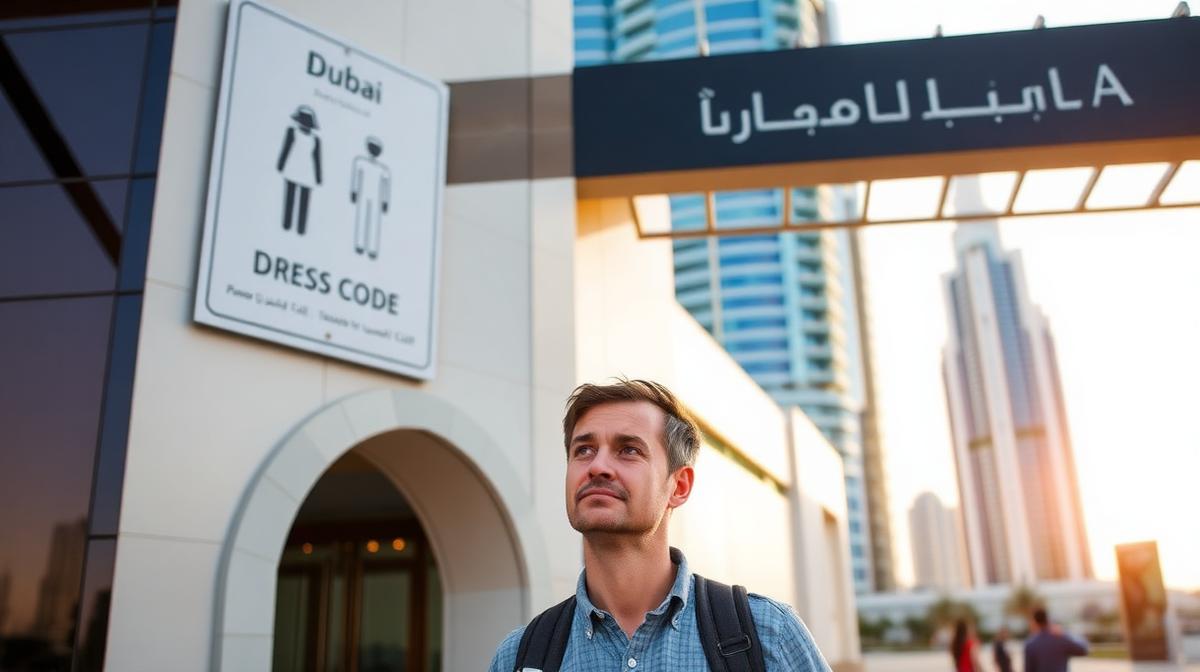
Dubai is welcoming, but it has strict rules that catch tourists off guard. From real fines to cultural no-gos, here's everything you need to avoid.
Why This Guide Matters
Dubai welcomes over 16 million tourists a year and the vast majority have a perfect trip. But every year, hundreds of visitors get fined, detained, or embarrassed because they didn't know the rules.
This isn't about scaring you — Dubai is one of the safest cities in the world. It's about making sure you don't accidentally break a rule you didn't know existed.
Here are 12 things you should never do as a tourist in Dubai.
1. Don't Photograph People Without Permission
This is a criminal offense in the UAE. Taking photos or videos of people — especially women — without their explicit consent can result in:
- Fine: Up to AED 500,000
- Imprisonment: Up to 6 months
- Deportation
This applies everywhere: malls, beaches, streets. It's perfectly fine to photograph buildings, landmarks, and your own group — just don't include strangers without asking.
What to do instead: If you want a photo with someone in traditional dress, simply ask politely. Most Emiratis are happy to pose if you ask respectfully.
2. Don't Drink Alcohol in Public
Alcohol is legal in Dubai — but only in licensed venues (hotels, bars, restaurants with a liquor license). Drinking in public places, on the street, or on the beach is illegal.
- Fine: AED 5,000+
- Possible detention
Being visibly drunk in public can also get you arrested, even if you consumed the alcohol legally at a bar.
What to do: Enjoy drinks at licensed bars and clubs, then take a taxi home. Never carry open containers on the street.
3. Don't Use Offensive Language or Gestures
What counts as "just an insult" in many countries is a criminal offense in the UAE. Swearing, making rude gestures (including a middle finger), or using abusive language — even in a road rage situation — can lead to:
- Fine: AED 250,000+
- Imprisonment: Up to 2 years
This includes offensive language in WhatsApp messages, social media posts, and emails sent from the UAE.
What to do: Keep your cool. If you're in a traffic dispute, don't engage — drive away and report it to police on 999 if needed.
4. Don't Dress Inappropriately in Malls and Public Places
Dubai's dress code is more relaxed than many expect, but there are clear lines:
At the beach/pool: Bikinis and swimwear are fine.
In malls, restaurants, and public places: Shoulders and knees should be covered. Very short shorts, crop tops showing a lot of skin, or see-through clothing can get you asked to leave.
In mosques: Full coverage required — long sleeves, long trousers/skirt, women should cover hair.
What to pack: Light, loose-fitting clothing that covers shoulders and knees. A scarf is useful for mosque visits. See our complete dress code guide.
5. Don't Show Excessive Public Affection
Holding hands is fine. Kissing, hugging excessively, or other displays of affection in public can get you in trouble:
- Warning or fine for kissing in public
- Several tourists have been detained for this over the years
This applies to all couples, regardless of marital status.
What to do: Save the romance for your hotel room. A quick peck on the cheek won't cause issues, but anything more is risky.
6. Don't Eat, Drink, or Smoke in Public During Ramadan
During the holy month of Ramadan, eating, drinking (even water), and smoking in public during daylight hours is illegal — even for non-Muslims.
- Fine: Up to AED 2,000
- Possible detention
Most restaurants close during daytime, though hotel restaurants typically remain open with screens for privacy.
What to do: Eat and drink inside your hotel or in designated areas. Ramadan in 2026 runs approximately from late February to late March. Check exact dates before traveling.
7. Don't Bring Certain Medications Without Documentation
Some medications that are legal in your home country are controlled or banned in the UAE:
- Codeine-based painkillers (many cold medicines)
- Some anti-anxiety medications
- Sleeping pills with certain compounds
- CBD products of any kind
Carrying these without a valid prescription and pre-approval can lead to arrest at the airport.
What to do: Check the UAE Ministry of Health list before traveling. Bring your prescription in English and Arabic. Apply for permission through the MOH portal at least 2 weeks before your trip.
8. Don't Jaywalk
Yes, really. Jaywalking in Dubai carries an actual fine:
- Fine: AED 400
Dubai's roads are wide and fast. The rule exists for safety — vehicles travel at high speed and pedestrian crossings are spaced far apart. Several tourists are injured every year from crossing outside designated areas.
What to do: Use pedestrian bridges, underground crossings, and traffic lights. The Dubai Metro is often faster than walking anyway.
9. Don't Ignore the Gold Souk Touts
The Gold Souk in Deira is a must-visit — but aggressive shop touts will try to pull you into their stores. While not illegal, engaging with aggressive sellers can lead to:
- High-pressure sales tactics
- Vastly inflated prices
- Fake "deals" that aren't deals at all
What to do: Walk with purpose, don't make eye contact with touts, and choose shops yourself. Read our tourist scam guide for full protection strategies.
10. Don't Assume VPNs Make Everything Legal
Many tourists use VPNs in Dubai to access services blocked in the UAE (some VoIP apps). While using a VPN itself isn't illegal, using it to commit a crime or access illegal content carries severe penalties:
- Fine: AED 500,000–2,000,000
- Imprisonment
What to do: Using a VPN for work, secure browsing, or accessing your Netflix account is generally fine. Don't use it for anything that's illegal in the UAE.
11. Don't Take Photos of Government Buildings or Military Sites
Photographing military installations, government buildings, royal palaces, and airports (from certain angles) is prohibited.
- Detention and questioning by security
- Confiscation of your device
- Possible legal action
What to do: Photograph landmarks, hotels, malls, and beaches freely. When in doubt, look for "No Photography" signs. If security approaches you, be polite and delete photos if asked.
12. Don't Throw Litter or Spit in Public
Dubai's cleanliness is legendary — and enforced by law:
- Littering: AED 500 fine
- Spitting: AED 500 fine
- Chewing gum on the ground: AED 500 fine
What to do: Use the plentiful bins. Dubai is one of the cleanest cities in the world, and the fines are enforced.
Quick Reference — Dubai Fines for Tourists
The Bottom Line
Dubai is incredibly safe and welcoming. 99.9% of tourists never have any issues. But knowing these rules means you can relax and enjoy your trip without any surprises.
The key mindset: respect the culture, follow the clearly posted rules, and use common sense. Dubai rewards visitors who make the effort to understand its customs.
For more essential preparation, read our Dubai safety guide and first trip itinerary.
FAQ
Can tourists drink alcohol in Dubai?
Yes — but only in licensed venues like hotel bars, restaurants, and clubs. Drinking in public or being visibly drunk on the street is illegal. See our nightlife guide for the best licensed venues.
What happens if you break the law as a tourist in Dubai?
It depends on the offense. Minor infractions (jaywalking, littering) result in fines. Serious offenses (photographing people without consent, drug possession) can lead to detention and deportation. Dubai Police are generally professional and fair with tourists.
Is it true you can't kiss in public in Dubai?
Holding hands is fine. A quick peck is unlikely to cause issues. But prolonged kissing or heavy PDA can result in a fine or warning. Err on the side of discretion.
Can you wear shorts in Dubai?
Yes — knee-length shorts are fine in most places. Very short shorts might get you asked to leave a mall. At the beach and pool, anything goes. See our full dress code guide.
Are drugs illegal in Dubai?
Absolutely. The UAE has a zero-tolerance drug policy. Even trace amounts in your system can lead to arrest. This includes CBD products, marijuana in any form, and certain prescription medications without proper documentation.
From photographing the wrong things to dress code mistakes — 12 things that can get you fined, deported, or embarrassed in Dubai. Essential reading before your trip.